
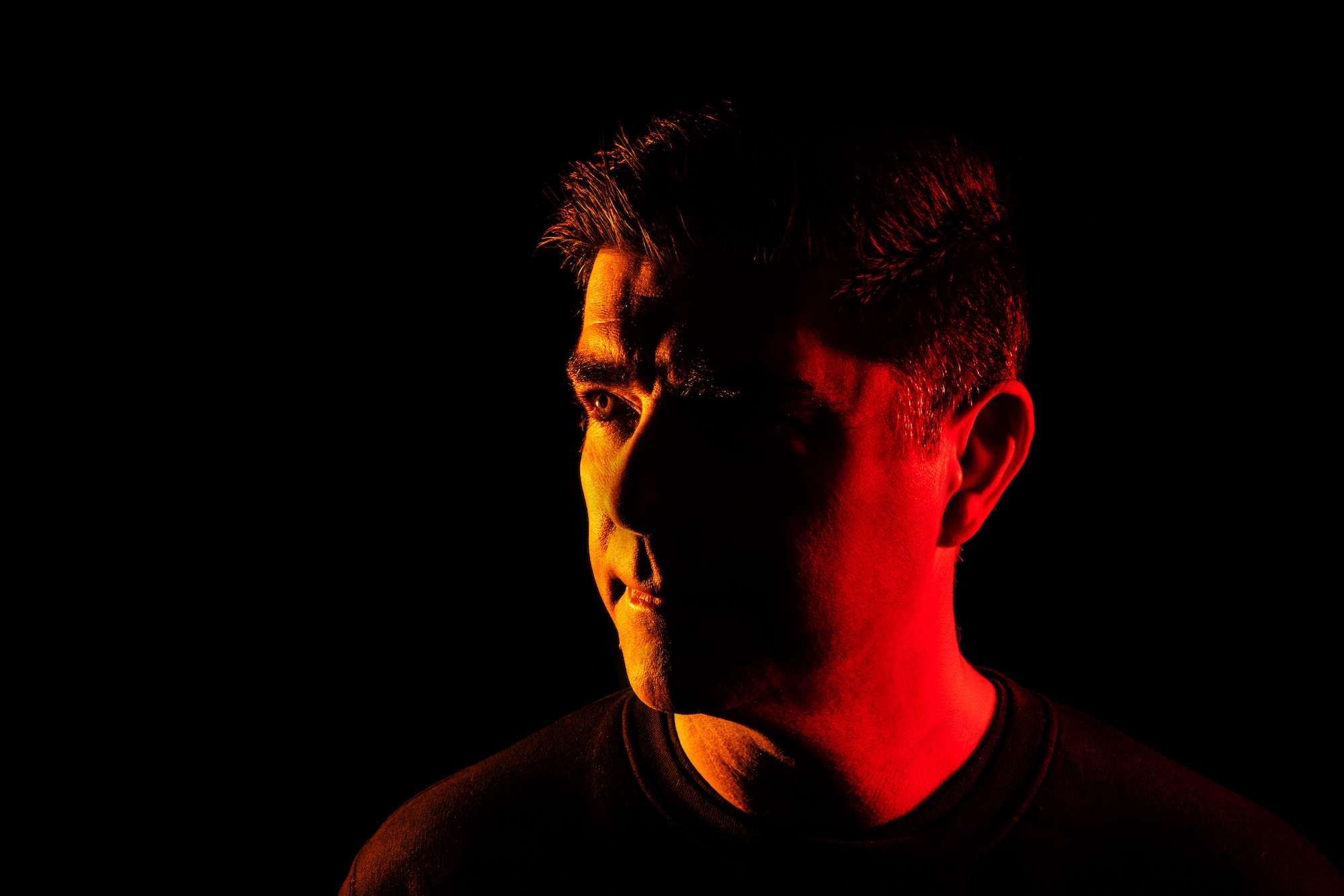
How a Progressive House Icon Found Speed in the Mini Challenge
Paul Sawyer is a name synonymous with the progressive house scene, having spent over 30 years shaping the electronic music landscape with releases on renowned labels like Armada, Toolroom, and his own imprint, Krafted. Over three iconic decades, this DJ and producer has spun a unique tale of innovation, broadcasting his vision on BBC Radio 1 and mentoring explosive talent via Krafted. 30 Years a DJ encapsulates his journey, an album seeping with reflection and poignancy. Paul is taking the leap, starting fresh on a brand-new path.
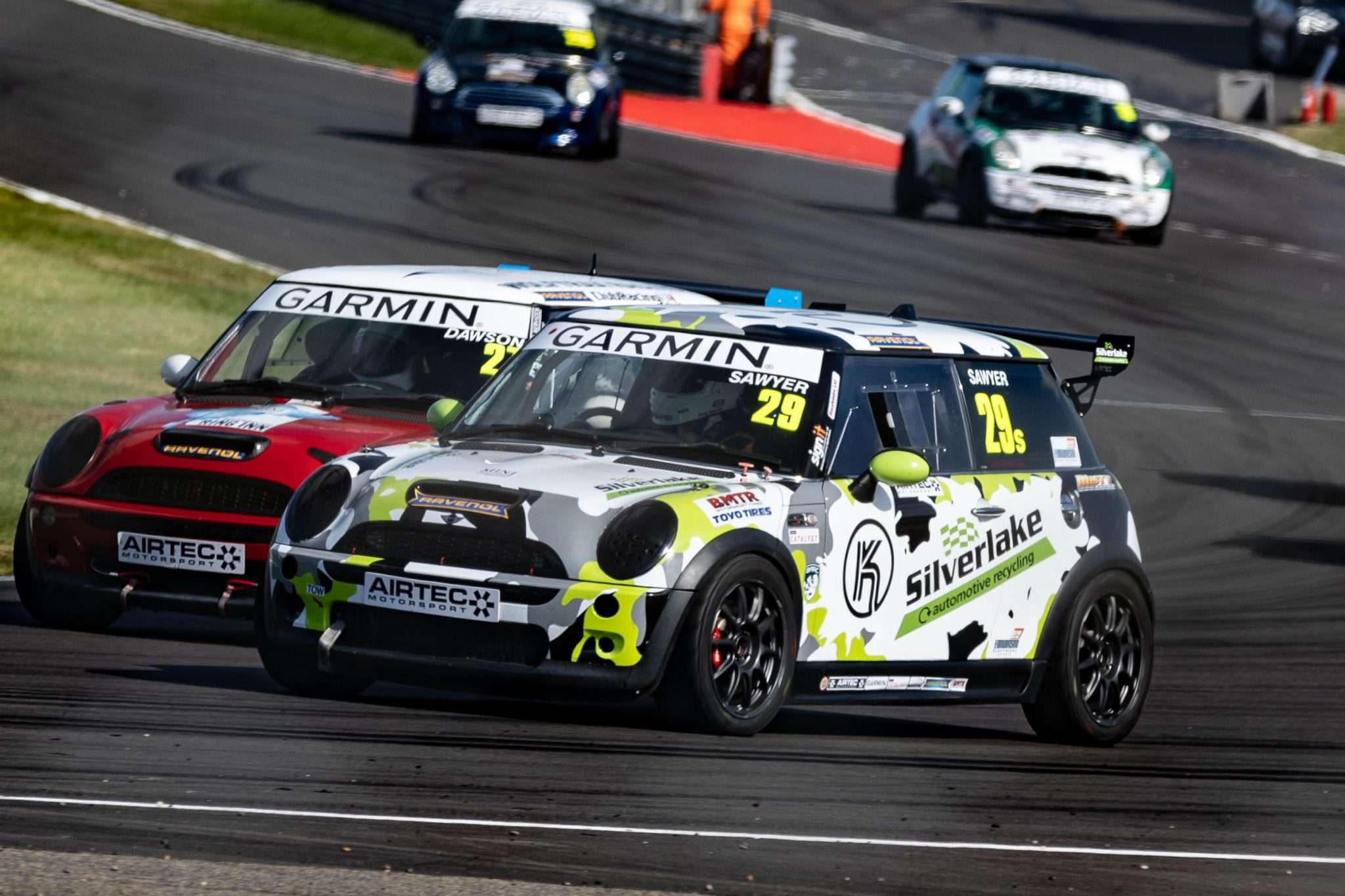
The dude’s torn up dance floors from Tokyo to Times Square, but there’s apersonal milestone he’s been craving to cross off his to-do list for ages. I live for the high-speed battles on the track. Swapping the decks for the driver’s seat, Paul is currently making waves in the Mini Challenge Clubsport series, a racing circuit designed for club-level MINI drivers looking for intense, competitive action.
Racing has been in Paul’s blood since childhood, with early success in motocross and later mountain bike racing before an injury in 2022 forced him to retire from two wheels. However, his competitive spirit never waned, and a chance conversation reignited his passion for racing—this time, in cars. Paul is Trading Beats for Brakes – we grabbed a few minutes with him to chat about how his DJ roots are influencing his speed demons, and what it takes to balance two passions that drive him nuts.

My nerves at the start of every race are a driving force. Once the lights go out and the race starts, those nerves disappear, and I just focus on the race ahead.
Paul, transitioning from a renowned DJ to a motorsport competitor is quite a shift. What made you trade in your Sunday drive for a spin on the Mini Challenge Clubsport series circuit?
I’ve always been a big fan of motorsport from a young age and used to race in motocross from the age of 11 through to my early twenties, when I gave it up due to touring extensively with DJ gigs. Racing has been in my blood ever since, and I have a huge competitive streak, which I guess fueled my drive to seek success in the music industry for so long.
I did return to motocross racing in my thirties occasionally, but injury forced me to stop as it was seriously affecting my work. I then pursued mountain bike racing for a few years until December 2022 when I had a massive crash and snapped my collarbone into three pieces. That was the end of that, as the doctors said they wouldn’t be able to rebuild my collarbone if I injured it again.
In 2023, I bought a track car, a Mini R53, and started doing track days. I was immediately hooked on driving at circuits, which led me to consider racing.
Can you pinpoint the moment or conversation that convinced you that competing in a Mini was not just a fantasy but a realistic goal?
I started following Mini racing after watching a round at Thruxton and followed one of the drivers, Zac Blackwell. He began following me on Instagram, and we started chatting. He suggested I give racing a try, but I wasn’t sure if I was good enough or if I could afford it.
Zac came to a track day with me, and we had so much fun on track. I gained insight into the costs from him, so I thought, why not? Let’s give it a go!

Juggling a successful music career and racing must be challenging. How do you sidestep the stress of trying to keep up with these two packed agendas?
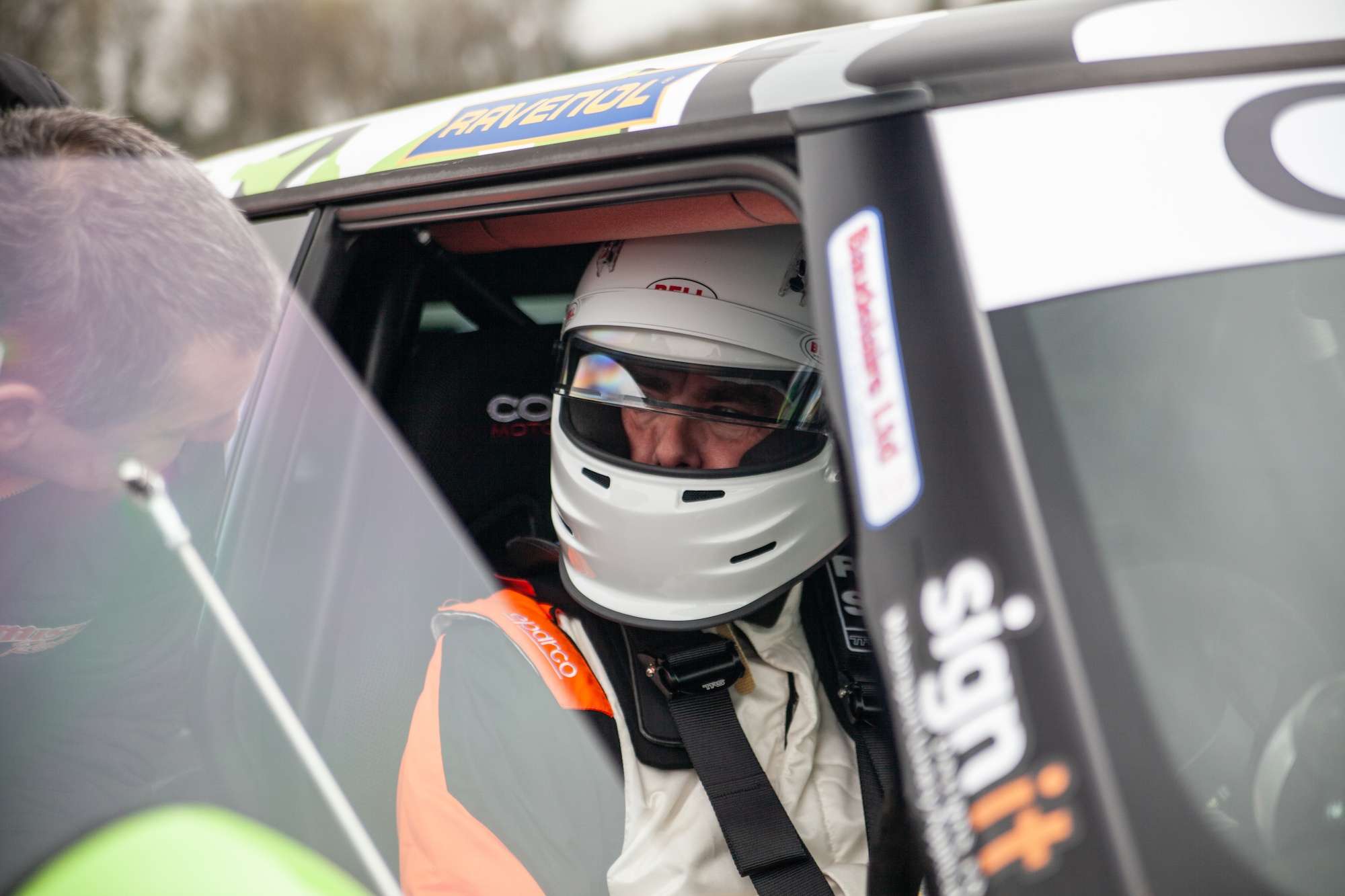
Juggling racing with music has been very challenging, to say the least. It’s all-consuming when you’re racing in a series—so much to do all the time with car preparation and maintenance. Luckily, I have a great team behind me who handle all the major work on the car and on race weekends. Steve Kite from Misty Racing has been a godsend, as his extensive knowledge and experience in motorsport have been invaluable.
I decided to stop producing during the series, so I made enough music and worked on remixes before the season started. This allowed me to maintain some momentum with my music. Now that we’re nearing the end of the series in September, I’ve started dedicating more time to music again.
Managing social media for both music and racing has also been challenging. I realized I needed help, so I hired a social media manager, Elle Gibbons, who has made my life much easier!
Are there any skills or lessons from your time as a DJ that have unexpectedly helped you in your motorsport endeavors?
Absolutely! The main lesson is the importance of having the right people working alongside you to achieve your goals. I’ve spent considerable time ensuring we have the right team for our labels and that PR support is solid.
I applied this to racing as well, focusing on piecing together the overall brand without losing sight of the main reason for competing: FUN! This was the reason I started DJing—to have fun. It translates into your sets and helps create a great atmosphere.
Having competed in everything from motocross to mountain biking, how does racing in the Mini Challenge Clubsport compare to your previous experiences?
My past racing experiences have helped with race craft and maintaining focus. The biggest difference is the size of the car on track compared to what I’ve raced before. Being among so many cars battling for position is intense. Although motocross involves close racing, I was used to it after so many years. The feeling of going into the first corner in the Mini was unreal. It makes you realize how easy it looks on TV, but in reality, it’s a completely different experience.
Motorsport is an emotional seesaw, with highs and lows that come at you fast. What really stuck with you this season—a moment that’s still etched in your mind?
The most recent experience in the C1 Racing Club series, an endurance race, will stick with me for sure. After being invited to drive at Brands Hatch for the Silverlake Racing Team, I thought it wouldn’t be that different from racing the Mini. How wrong I was!
I invited Zac Blackwell and Steve Kite, who have been with me from the start, to join me. We made a great team for the day.
The race was absolutely wild. With all cars being nearly identical, there was no power difference, so the difference in lap times between 1st and 16th was only a second.
We managed to lead the race within the first 45 minutes and were heading for a top 6 finish with 30 minutes left of the three-hour race when the engine in our car failed. It was a real shame not to finish after so much hype, effort, and adrenaline. It shows how quickly everything can change.
Your inner competitor has been stirring up some serious motivation lately. In the heat of competition, how do you turn psychological pressure into a driving force, and what mental tricks do you use to stay focused?
I am seriously competitive, so although I started the series without high expectations, I soon found myself chasing positions and points.
There are various ways to focus before a race, which I used in motocross and mountain biking. I have this routine where I make sure my gloves are on tight and then open and clench my hands. I’ve always done this in racing. It’s funny that I’ve brought it into circuit racing. No doubt anyone reading this will look out for me doing that before I race!
My nerves at the start of every race are a driving force. Once the lights go out and the race starts, those nerves disappear, and I just focus on the race ahead.
With major sponsors like Garmin and Airtec Motorsport, how has their support influenced your racing journey?
I’ve been fortunate to gain sponsorship in my rookie year. Silverlake Auto Recycling came on board when I started looking into entering the series and is my main sponsor. They have been amazing, providing advice, race support, and team branding—a constant helping hand.
Main sponsors like Airtec, Garmin, and Ravenol have also been supportive, especially online, boosting everything through my socials. I ran a competition to win tickets for the round at Thruxton, and they provided great prizes for the winner.
Having sponsorship really motivates you and adds pressure to perform well so you don’t let them down and give them results to highlight.
Looking ahead, you’ve expressed interest in moving up to faster series like the Audi TT Cup and Porsche Sprint Challenge. How are you actively working to turn this aspiration into reality, and what steps are you taking to stay on track?
That’s right—I’ve been considering entering one or both of those series at some stage. It depends on funds and serves as a goal. I’m currently working on developing the team for 2025 and looking at options for more sponsorship. I have many plans that I need to turn into reality. I’m even considering a two-driver team for next year, so let’s see what happens.
In 2025, I will continue in the Mini Challenge Clubsport as I need to improve my speed and positions. This will help me advance in racing, gain more exposure, and attract more sponsors.
With the exhaustion of racing weighing heavily on both body and mind, what’s your pre-race mental prep routine? And how do you push the reset button once it’s all over?
Racing is incredibly tiring. I’m usually exhausted, mainly the second day after racing, as I tend to still be on a high the next day. I generally avoid working on the car for a week after each round to reset and come down from the buildup beforehand.
Leading up to each round, I focus on my diet, hydration, and overall health to ensure I’m alert and focused on the day.
I compile a mix to be played at each round as part of the Sunset Garden event organized by the series on the Saturday of each round. It’s a time for drivers, family, and friends to relax and have some drinks after the day of racing. This has become a great way to mentally prepare for the weekend. Music has always been an escape for me, so working on the mixes is perfect for my preparation before each round.
©FM